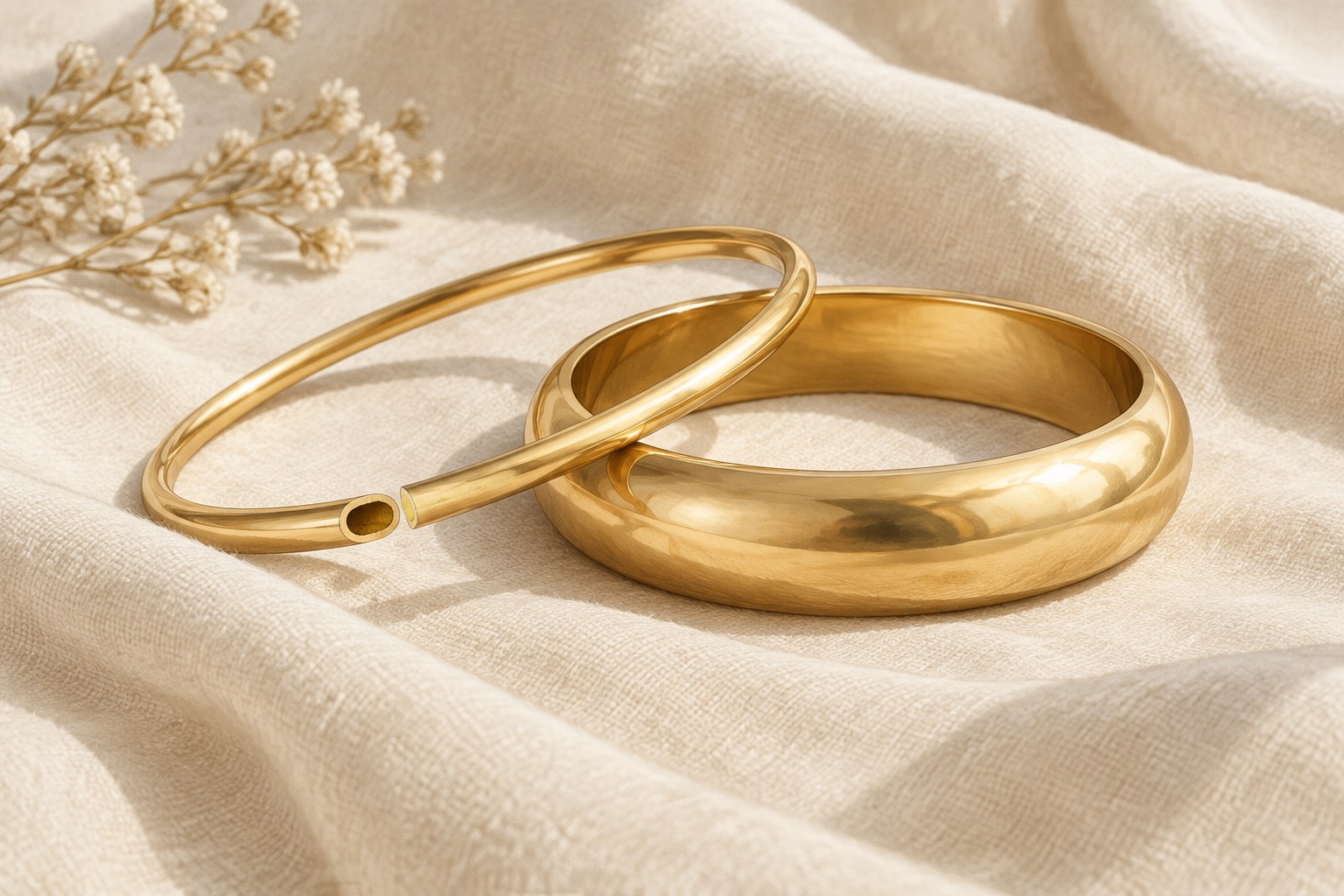
Hollow vs Solid Gold Jewellery: How to Tell the Difference
Hollow gold and solid gold look identical on the counter but wear very differently. How to tell them apart and which suits daily wear.
Curated perspectives on fine jewellery metallurgy, laboratory-grown solitaires, and centuries-refined diamond setting from our Surat atelier.
Hollow gold and solid gold look identical on the counter but wear very differently. How to tell them apart and which suits daily wear.
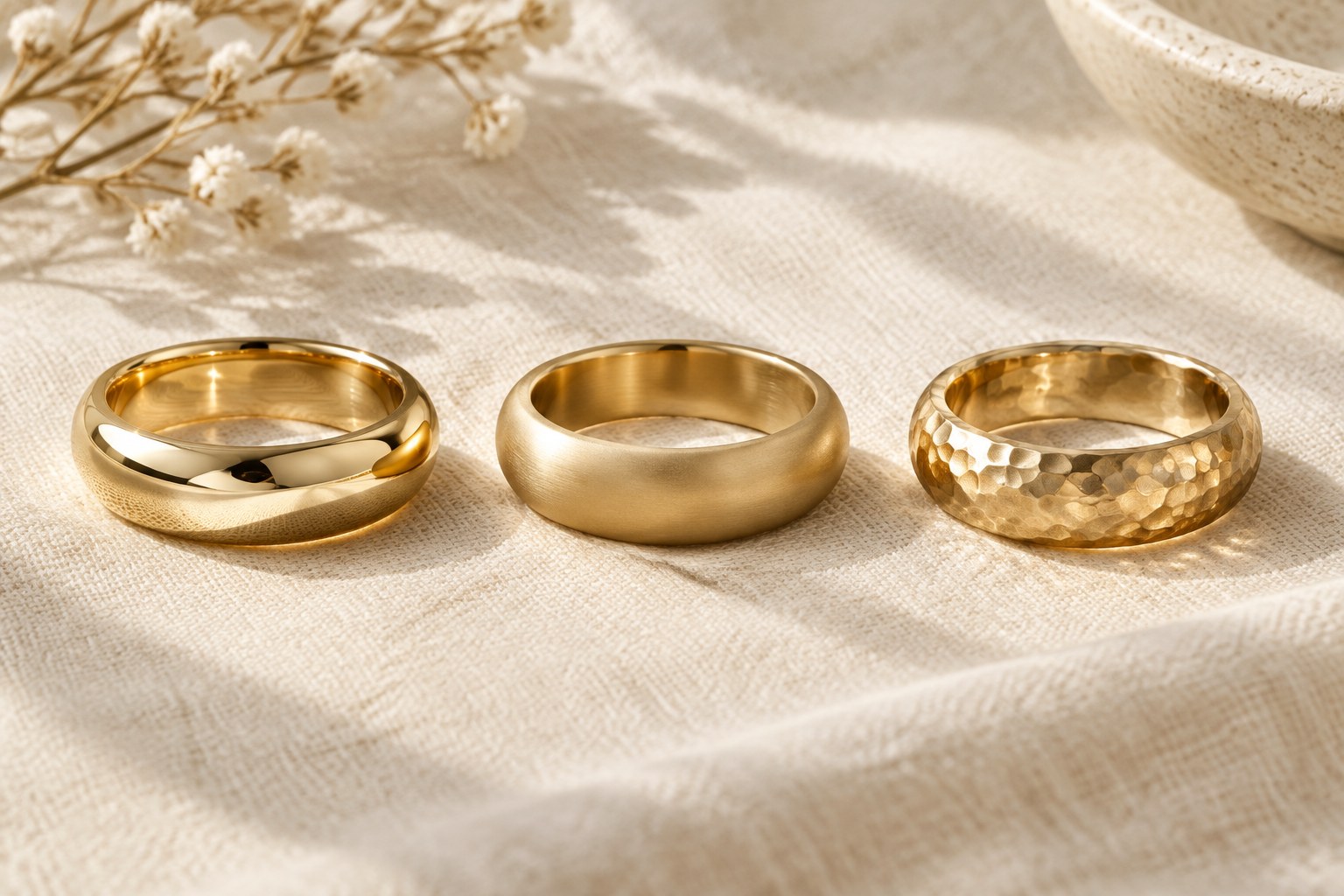
The finish on gold changes how it looks, how it wears and how much upkeep it needs. Polish, matte, brushed, hammered and coatings explained for buyers.
Dainty rings bend for reasons you can control: width, depth, karat and setting. The honest physics of slim bands, plus how to wear one so it stays round.
The counter-side checks that actually work: hallmarks, the back of the piece, stone seating, moving parts and the questions that verify what eyes cannot.
Exchanging old gold is a process, not magic: how purity is tested, what net weight means, where the metal actually goes, and the deductions to question.
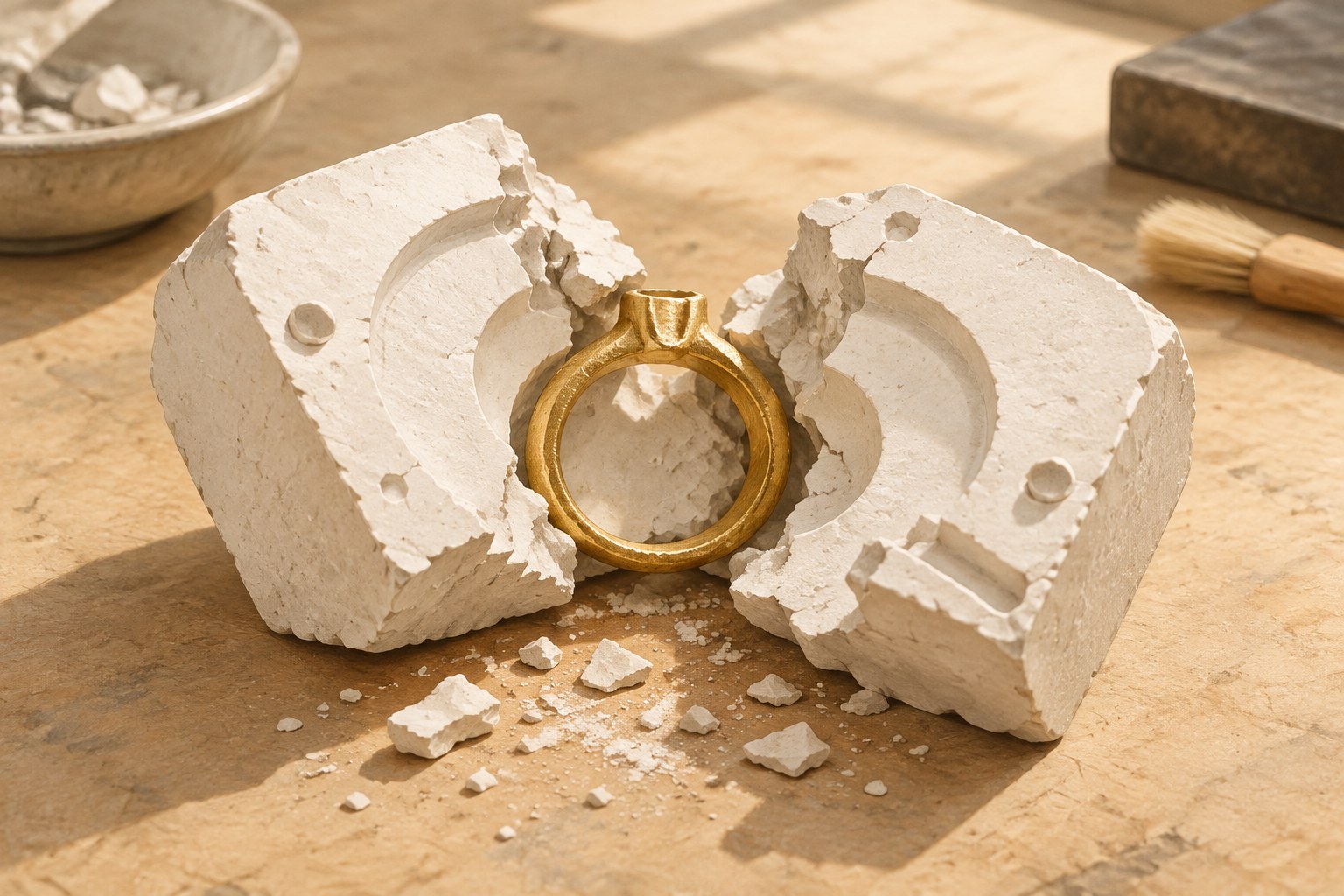
Casting, hand fabrication and CAD design each shape how a piece wears, repairs and ages. What each method really means, and the three questions to ask.
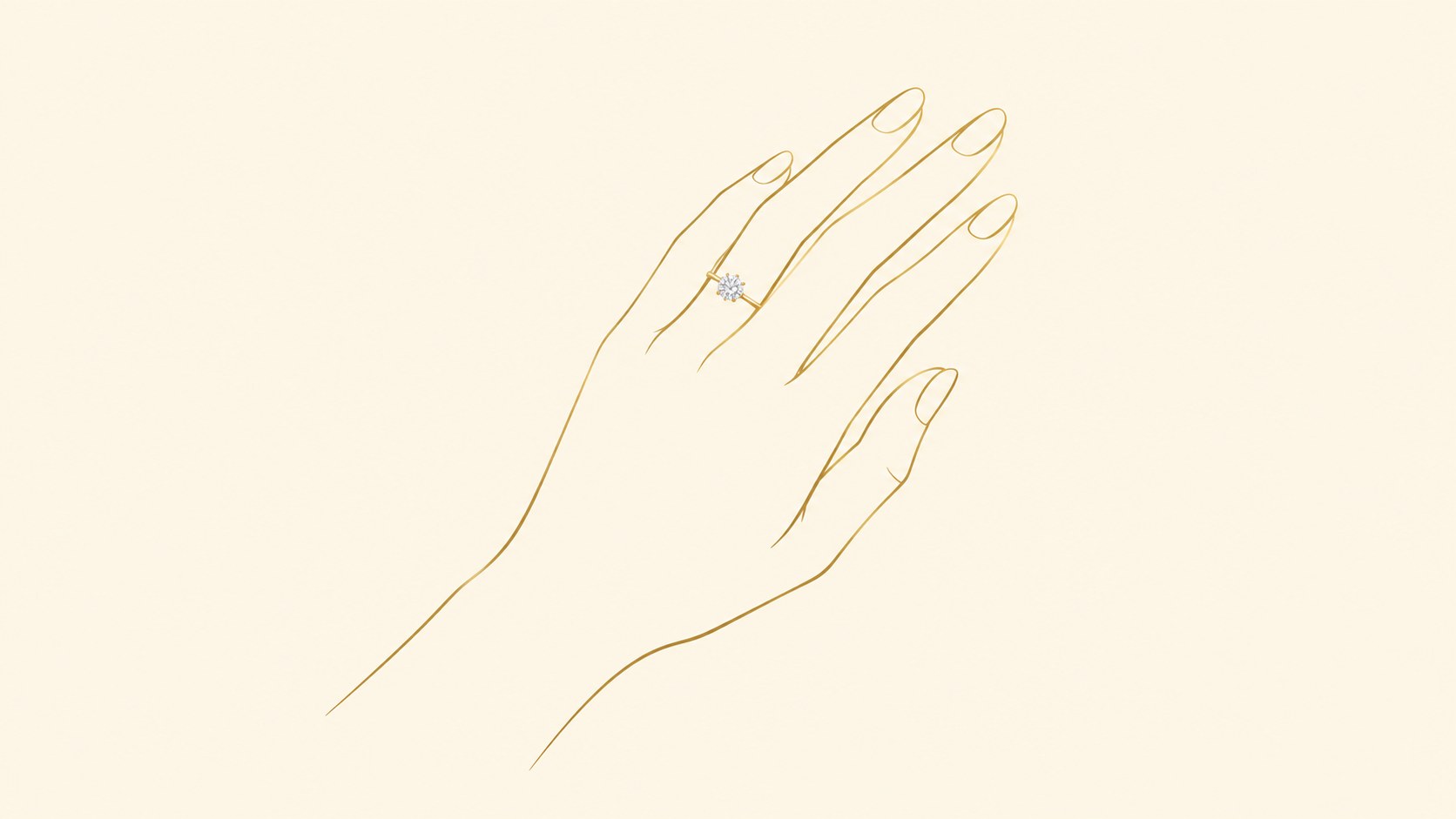
The left ring finger is customary in the US, UK and Australia, but many countries use the right. What to know before the proposal, and what happens after the wedding.
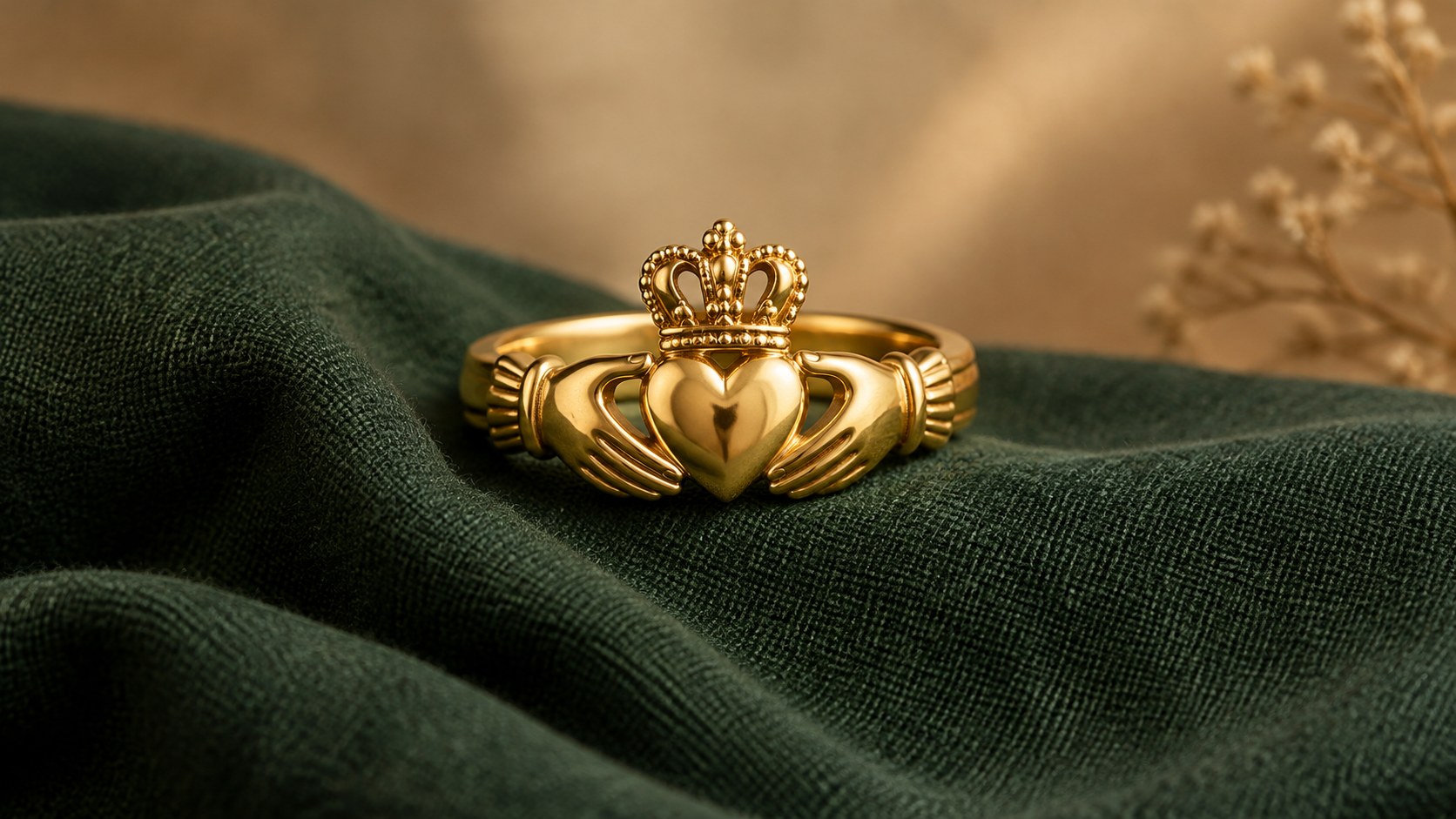
Hands for friendship, heart for love, crown for loyalty. The story of Galway's Claddagh ring and the four ways to wear it, explained simply.
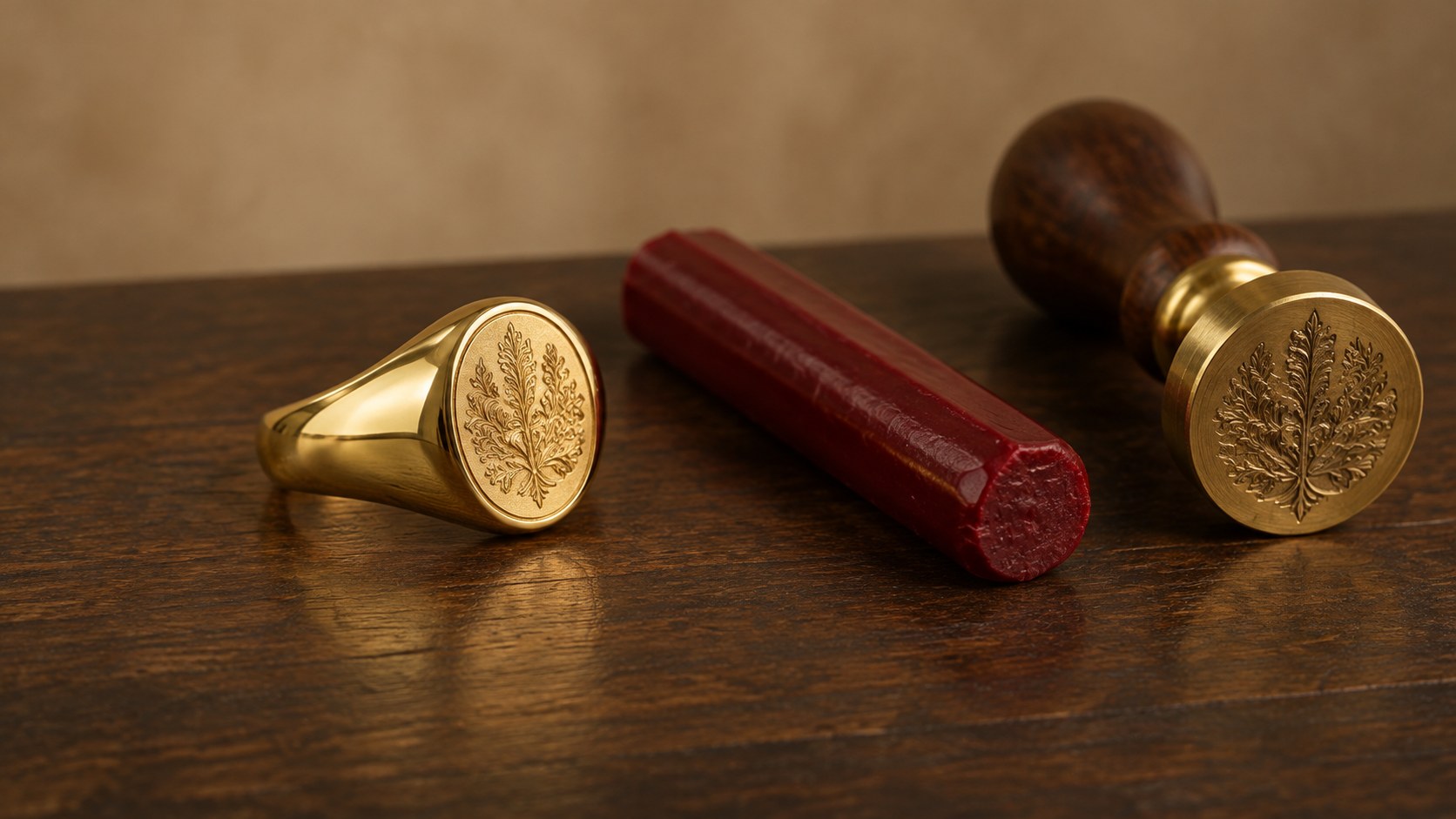
For 4,000 years the signet ring worked as a personal seal and signature. Its history from ancient Egypt to royal pinkies, and how to choose one today.